How the 747 works
A guide to 747 systems, starting with the fuel system and its eight tanks and in-flight transfer.
A 747 is not one machine but a set of overlapping systems, most of which are quadruple-redundant because the aircraft was designed to keep flying with a lot of them broken.
In this section
- Fuel system — the tanks, in-flight transfer and the jettison system
- Hydraulic systems — four systems, one per engine, and why they are split that way
- Landing gear — eighteen wheels, and the body gear steering nobody notices
- Flight controls — split ailerons, spoilers, triple-slotted flaps and Kruegers
- Electrical system — four 90 kVA generators running in parallel
- Pressurisation and air conditioning — bleed air, and why cycles matter more than hours
- Engines — JT9D to GEnx-2B, and why engine choice sold aeroplanes
- Flight deck — from three crew to two
- Specifications — every variant compared side by side
The design principle
The 747 was certified in 1969 to standards that assumed things would fail, and the answer nearly everywhere was redundancy through separation rather than duplication in one place.
There are four hydraulic systems, each driven by a different engine, so losing an engine does not lose a system. Flight controls are split so no single hydraulic failure takes out an entire axis of control. Electrical generation is per engine, with an auxiliary power unit as backup on the ground and in flight.
The landing gear carries the same philosophy: four main gear legs plus the nose gear, eighteen wheels in total, arranged so the aircraft can land safely with some of them unavailable.
That layout has a second benefit nobody designed for. Because the wing and body gear are spread fore and aft, a 747 is stable enough to have heavy freight loaded into the rear fuselage without sitting back on its tail — which is what made the Combi possible.
Where redundancy ran out
Two accidents show the limits. Japan Air Lines Flight 123 lost all four hydraulic systems when a rear pressure bulkhead failed and destroyed the tail section — the systems were separated, but all four ran through the same place. National Airlines Flight 102 lost hydraulics and the stabiliser jackscrew when unrestrained cargo broke loose.
In both cases the redundancy was real; the failure was common-mode, taking out every redundant path at once.
Related


In this section
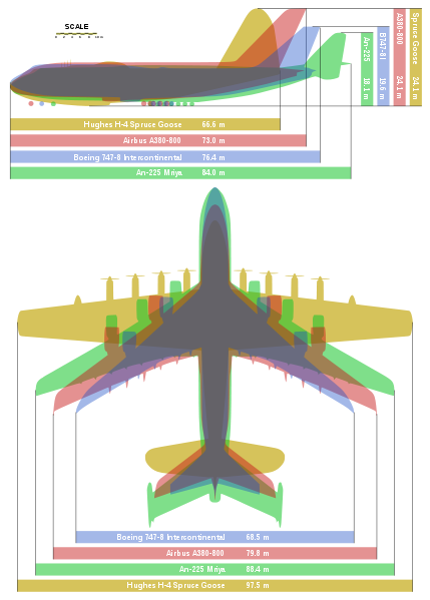
Boeing 747 specifications compared
Every Boeing 747 variant side by side — length, wingspan, weights, capacity, range, cruise speed and engines, with sources noted.
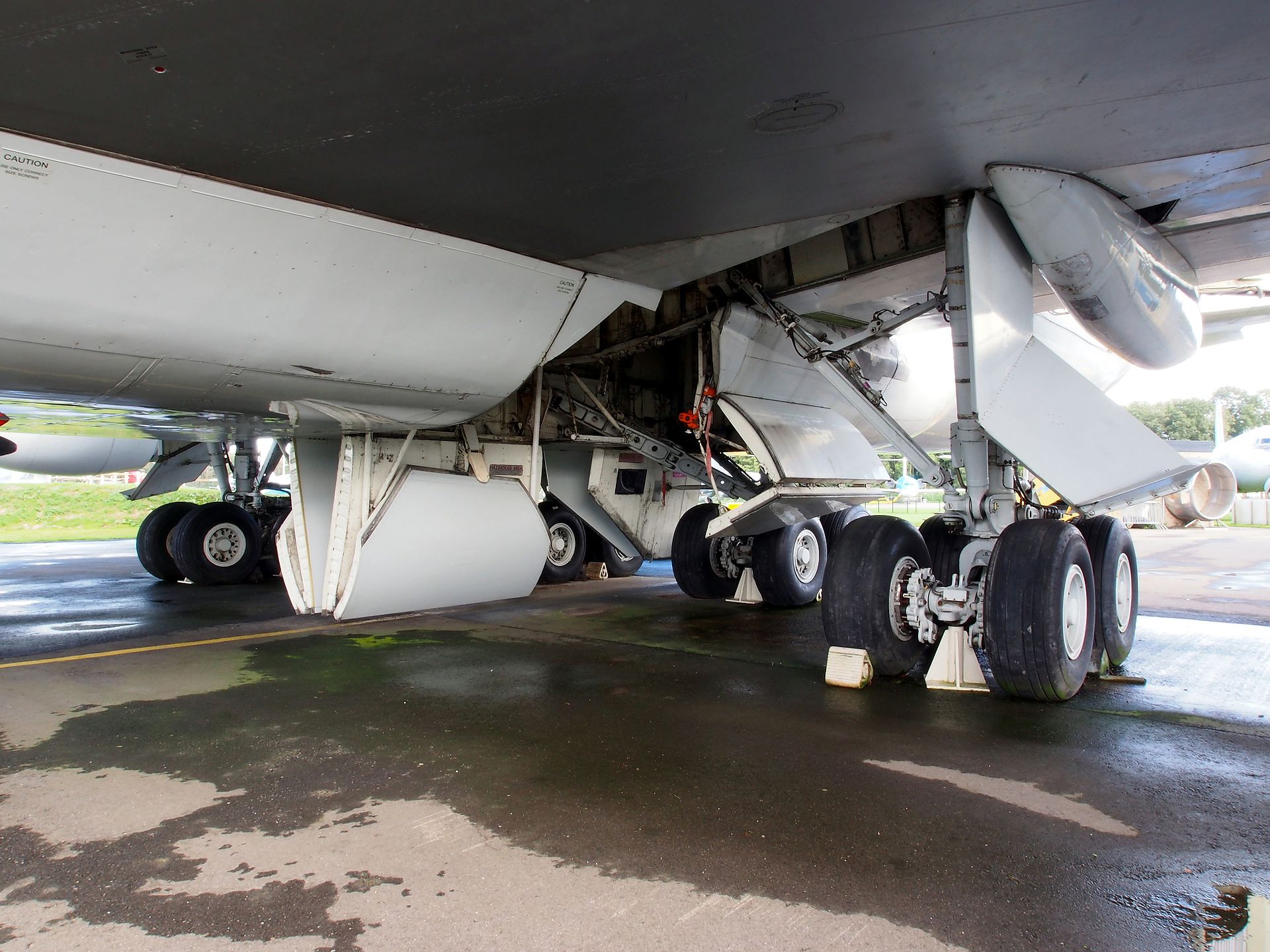
The four hydraulic systems
The 747 has four independent hydraulic systems, one per engine, each with a backup pump — and the reasoning behind splitting them that way.
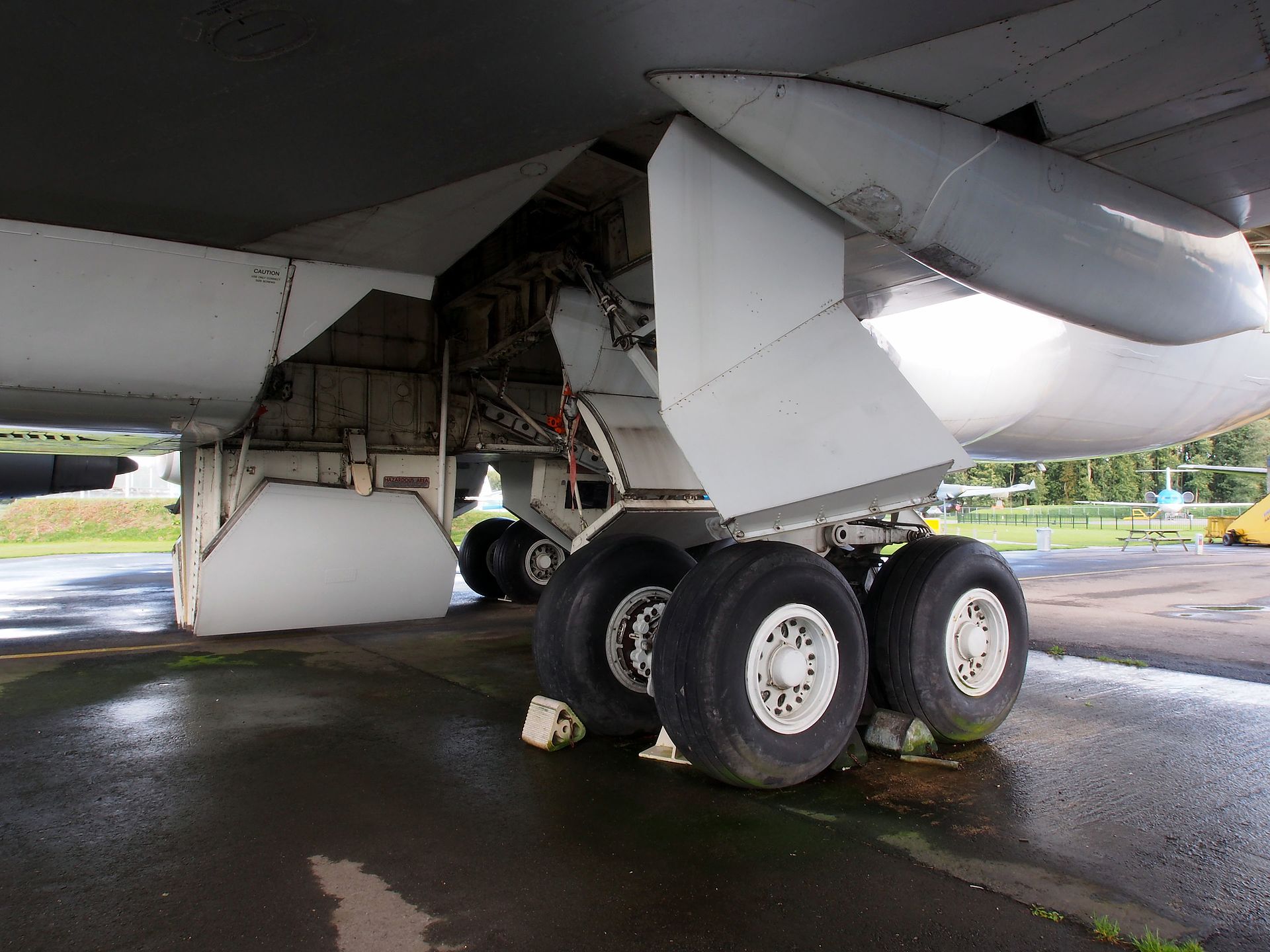
Eighteen wheels
The 747's five landing gear legs and 18 tyres, why the load is spread that way, and the body gear steering that stops it tearing up taxiways.

Flight controls and high-lift devices
How a 747 is flown — split ailerons, spoilers, triple-slotted flaps and Krueger leading edge devices, and what the 747-8 changed.
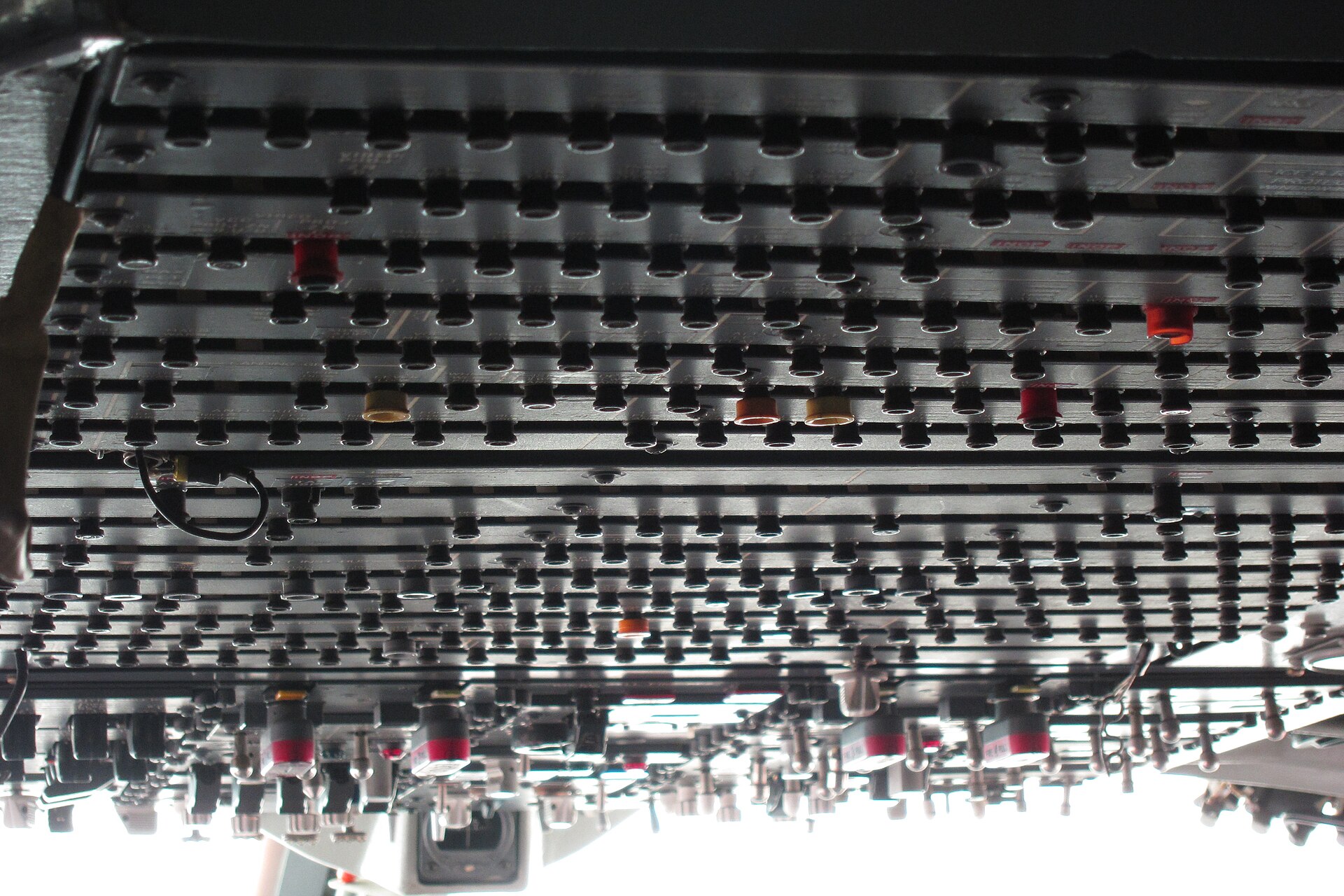
The electrical system
Four 90 kVA generators, one per engine, running in parallel through a tie bus — plus two APU generators for the ground.
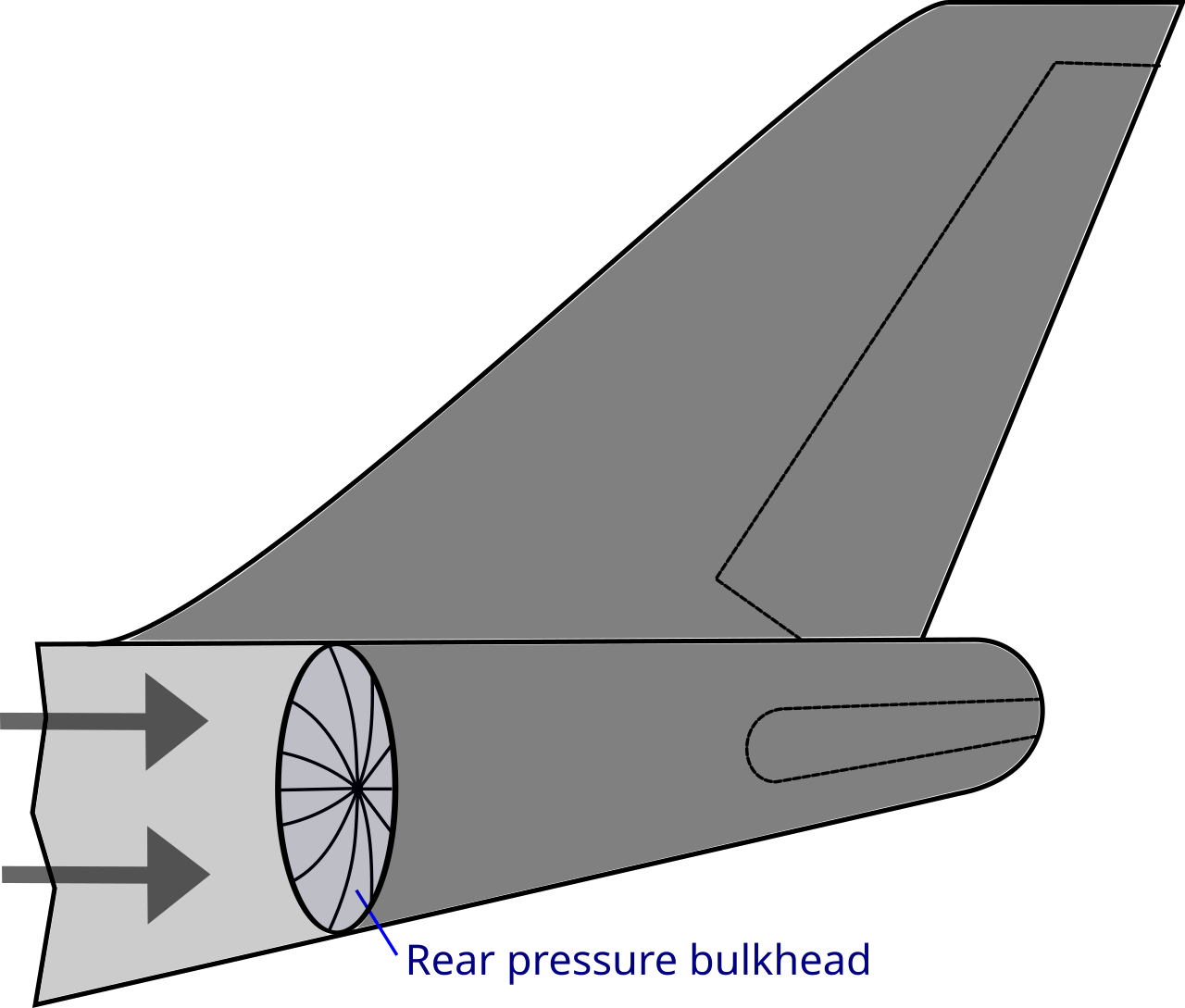
Pressurisation and air conditioning
How a 747 keeps a breathable cabin at 35,000 ft, why the fuselage is a pressure vessel, and why cycles matter more than hours.

Engines through the generations
Every engine the 747 was offered with, from the troubled JT9D to the GEnx-2B — and why engine choice decided how well each variant sold.

From three crew to two
The 747 flight deck went from three crew and hundreds of dials to a two-crew glass cockpit — the change that made the 747-400 and doomed the -300.
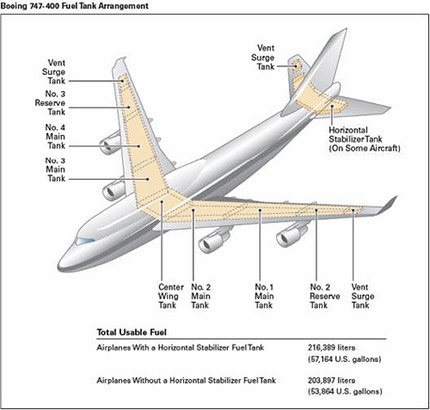
The fuel system
How the Boeing 747 carries and moves fuel — main, reserve, centre and stabilizer tanks, transfer, jettison and the pumps that drive them.