From three crew to two
The 747-400's two-crew glass cockpit removed the flight engineer, the single biggest operating-cost change in the aircraft's history.

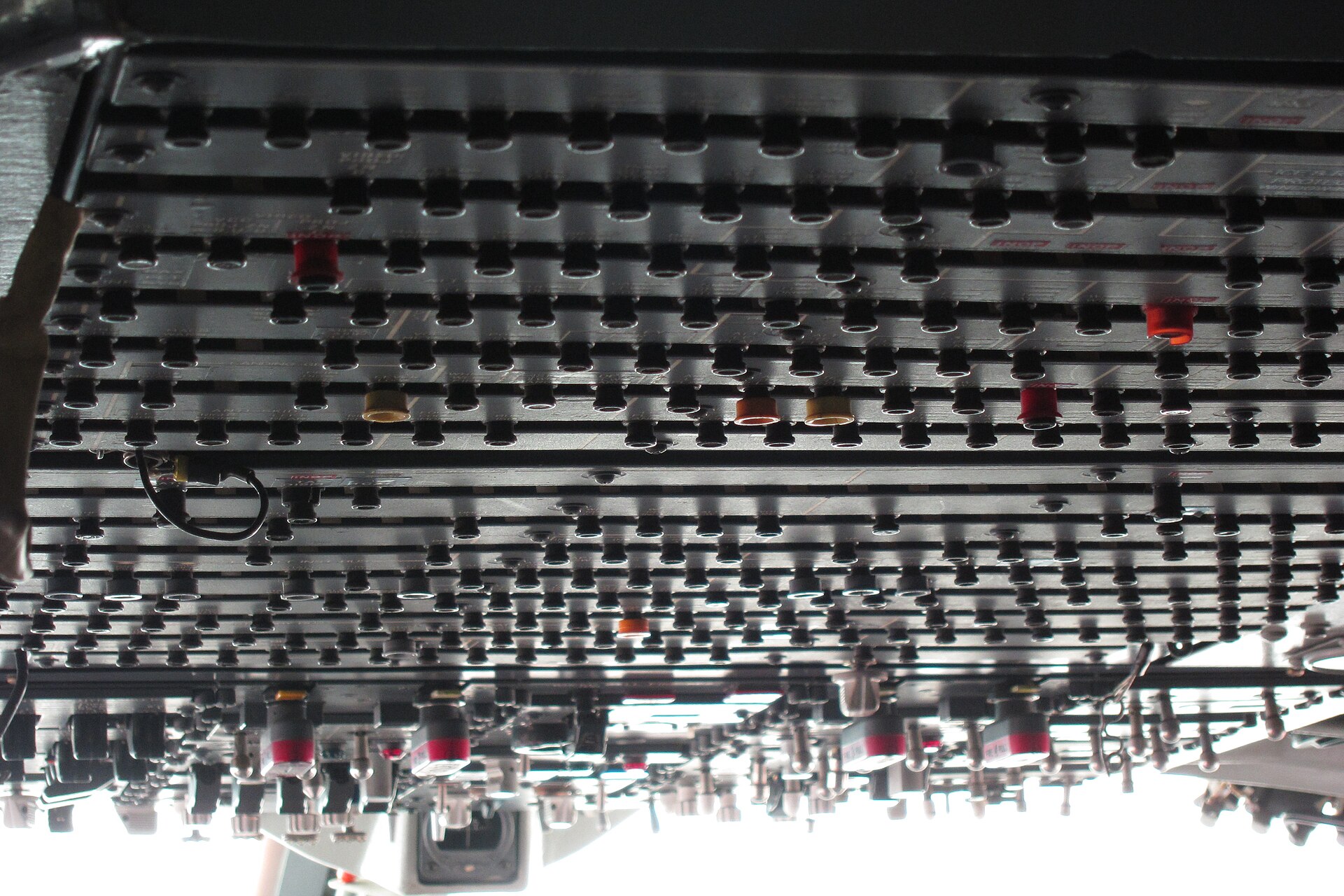
Every 747 up to and including the 747-300 was a three-crew aircraft: two pilots and a flight engineer, the latter facing a sidewall panel of several hundred switches, gauges and circuit breakers managing fuel, electrics, hydraulics, pressurisation and the engines.
The 747-400 removed that seat, and it is the single most consequential change in the aircraft’s commercial history.
What replaced the flight engineer
Not automation of the flying — automation of the monitoring.
The -400 introduced a glass cockpit: six CRT displays replacing the mass of individual instruments, with systems monitoring themselves and alerting the crew only when something needs attention. What had been a full-time job of watching gauges became a set of systems that watch themselves and speak up.
Why it decided the -300’s fate
The 747-300 entered service in 1983. Boeing launched the 747-400 in 1985, and the -300’s production run effectively ended: 81 were built, against 694 -400s.
The two aircraft carried a similar number of passengers over a similar distance. But one needed a third qualified person on the flight deck for every sector, for the whole 25-year life of the aircraft. For an airline running long-haul routes, that is an enormous recurring cost, and no cabin refinement offsets it.
An airline choosing between them in 1986 was not really choosing between two aircraft.
The type rating
The 747-8 took the opposite lesson. Its flight deck uses 787-derived display technology, but Boeing deliberately kept it close enough to the 747-400’s that both share a common type rating.
That means a pilot qualified on the -400 can fly the -8 after a short differences course rather than a full type conversion. For an airline operating both, that is the difference between a manageable transition and an expensive one — and it was a significant part of the 747-8’s sales case.
There is a dedicated page on the 747-8 flight deck in the reference section.
Where it sits
The flight deck’s position above the main deck is the reason the 747 has a hump at all — it was put there so the nose could hinge upward for freight loading. See the 747-100 for how that decision shaped the whole aircraft.
Related
Video
More in Aircraft Systems

How the 747 works
The systems that make a 747 fly — fuel, hydraulics, landing gear, electrics and pressurisation, explained one at a time.
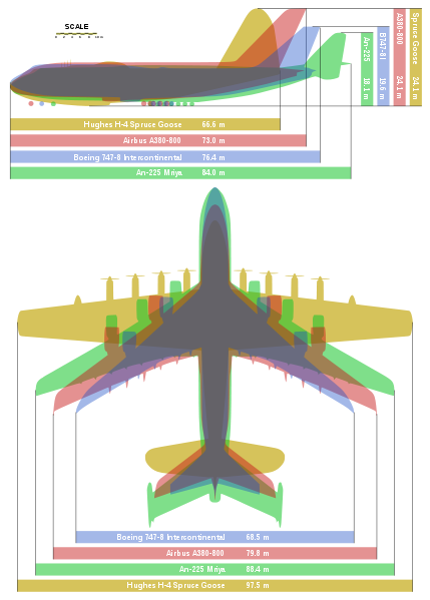
Boeing 747 specifications compared
Every Boeing 747 variant side by side — length, wingspan, weights, capacity, range, cruise speed and engines, with sources noted.
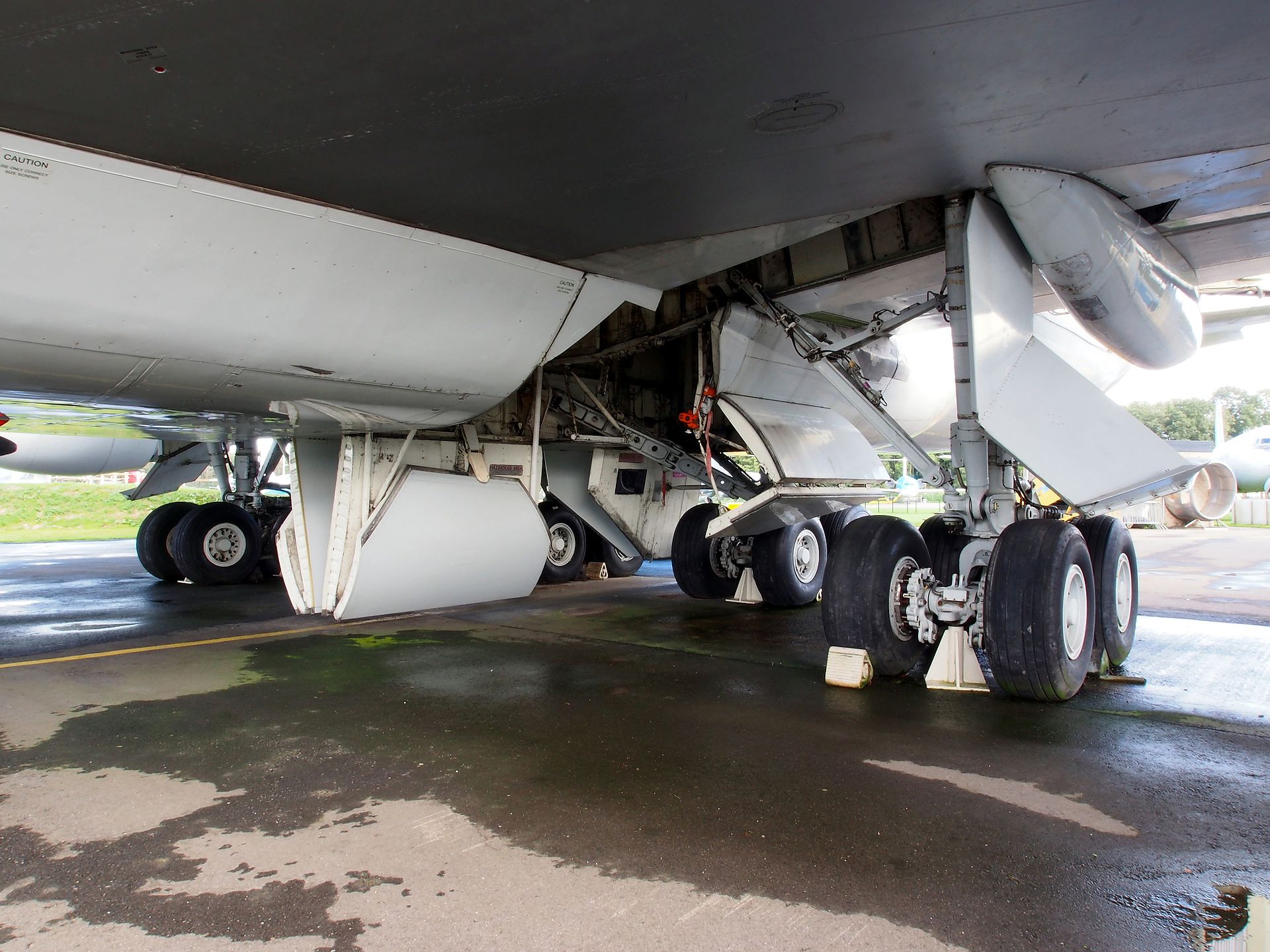
The four hydraulic systems
The 747 has four independent hydraulic systems, one per engine, each with a backup pump — and the reasoning behind splitting them that way.
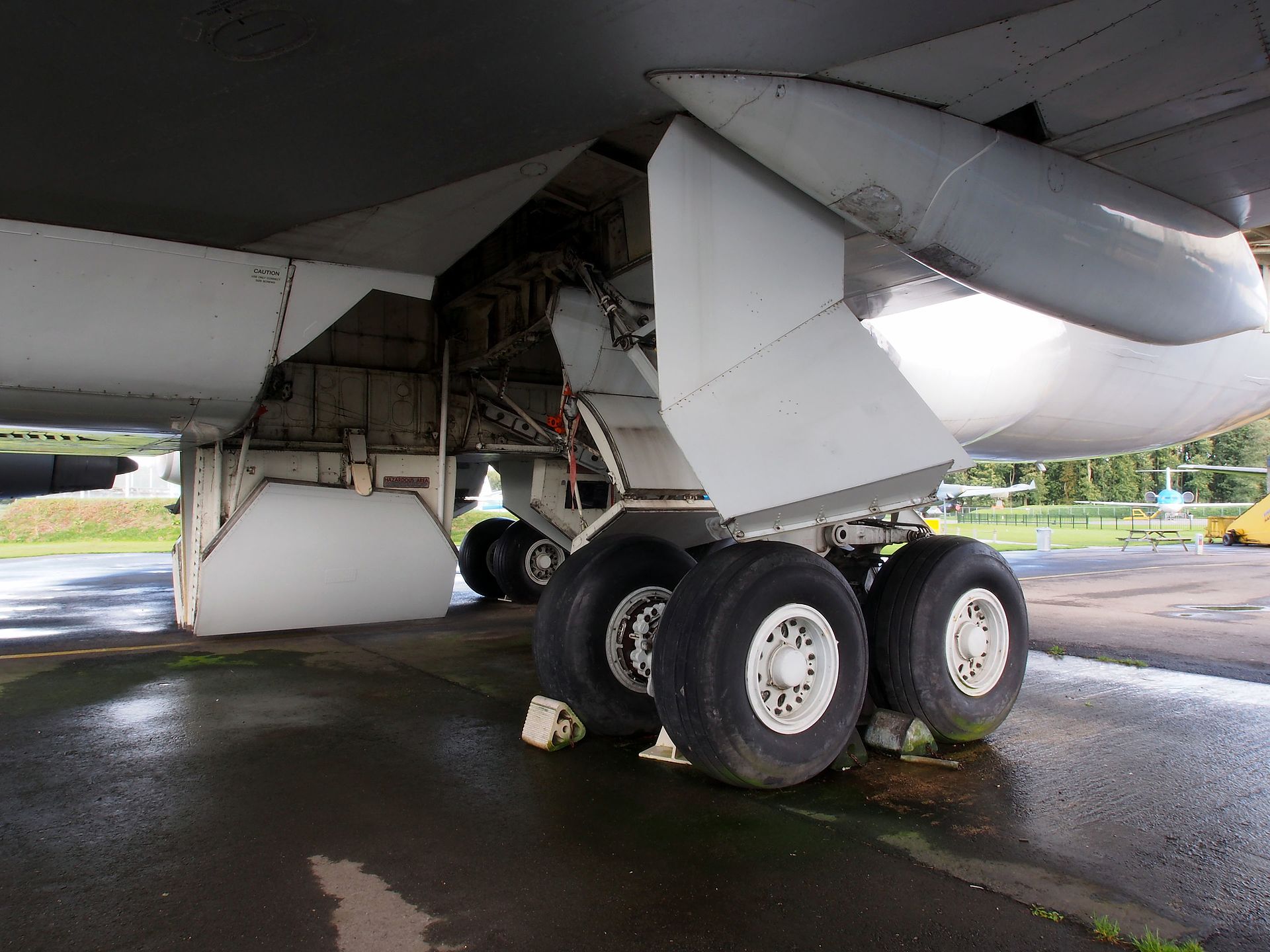
Eighteen wheels
The 747's five landing gear legs and 18 tyres, why the load is spread that way, and the body gear steering that stops it tearing up taxiways.

Flight controls and high-lift devices
How a 747 is flown — split ailerons, spoilers, triple-slotted flaps and Krueger leading edge devices, and what the 747-8 changed.
The electrical system
Four 90 kVA generators, one per engine, running in parallel through a tie bus — plus two APU generators for the ground.