The electrical system
Four engine-driven 90 kVA generators supplying 115 V 400 Hz AC, paralleled through a tie bus, with two APU generators and two external receptacles.

On the 747-400, electrical power in flight comes from four Integrated Drive Generators — one on each engine, each rated at 90 kVA.
What an IDG is
An IDG packages three things: the generator itself, a constant speed drive, and an oil cooling system.
The constant speed drive is the interesting part. Aircraft AC systems run at 400 Hz, and frequency depends on how fast the generator turns — but engine speed varies constantly with thrust. The CSD is a mechanical transmission that takes a varying input speed from the engine and delivers a constant output speed to the generator, so the frequency stays put whatever the throttles are doing.
Each IDG supplies 115 V, 400 Hz AC to its own main bus.
Paralleled, not isolated
Unlike most twin-engined aircraft, where each generator feeds its own isolated side, the 747’s generators operate in parallel.
Each generator connects to its bus through a generator circuit breaker, and the main buses are joined to a tie bus — sometimes called the synchronising bus — through bus tie breakers. Any generator can therefore support any bus.
The advantage is flexibility and load sharing: with four sources on a common tie, the loss of one is absorbed with no reconfiguration by the crew. The cost is complexity, since paralleled generators must be synchronised in frequency and phase before they can be tied together.
On the ground
Two APU generators, each also rated at 90 kVA, and two external power receptacles, likewise 90 kVA each. That is enough to run the aircraft at the gate — lighting, galleys, air conditioning packs and avionics — without any engine running.
Two receptacles rather than one matters at a large aircraft’s power draw; one ground cart is often not enough.
Why 400 Hz
Domestic mains runs at 50 or 60 Hz. Aircraft use 400 Hz for one dominant reason: transformers and motors get smaller as frequency rises. At 400 Hz the magnetic components can be a fraction of the size and weight of their mains-frequency equivalents.
The trade-off is that 400 Hz suffers greater losses over distance — irrelevant in an aircraft, where the longest cable run is a few tens of metres.
Where it connects to everything else
Electrical generation is per engine for the same reason hydraulic power is: so that losing an engine costs you one source of each rather than a whole category. The electric demand pumps in the hydraulic system depend on this supply, which is why the two are designed together rather than separately.
Related
Video
More in Aircraft Systems

How the 747 works
The systems that make a 747 fly — fuel, hydraulics, landing gear, electrics and pressurisation, explained one at a time.
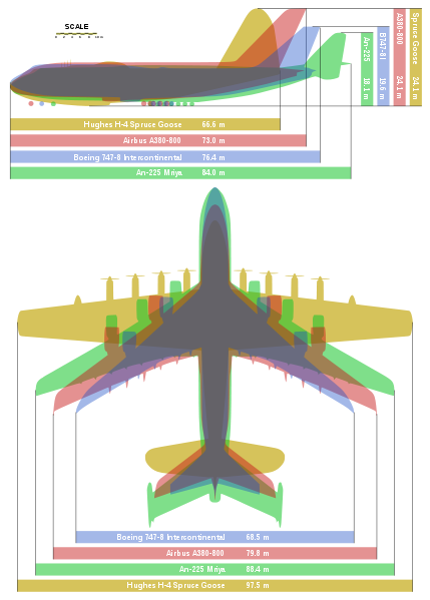
Boeing 747 specifications compared
Every Boeing 747 variant side by side — length, wingspan, weights, capacity, range, cruise speed and engines, with sources noted.
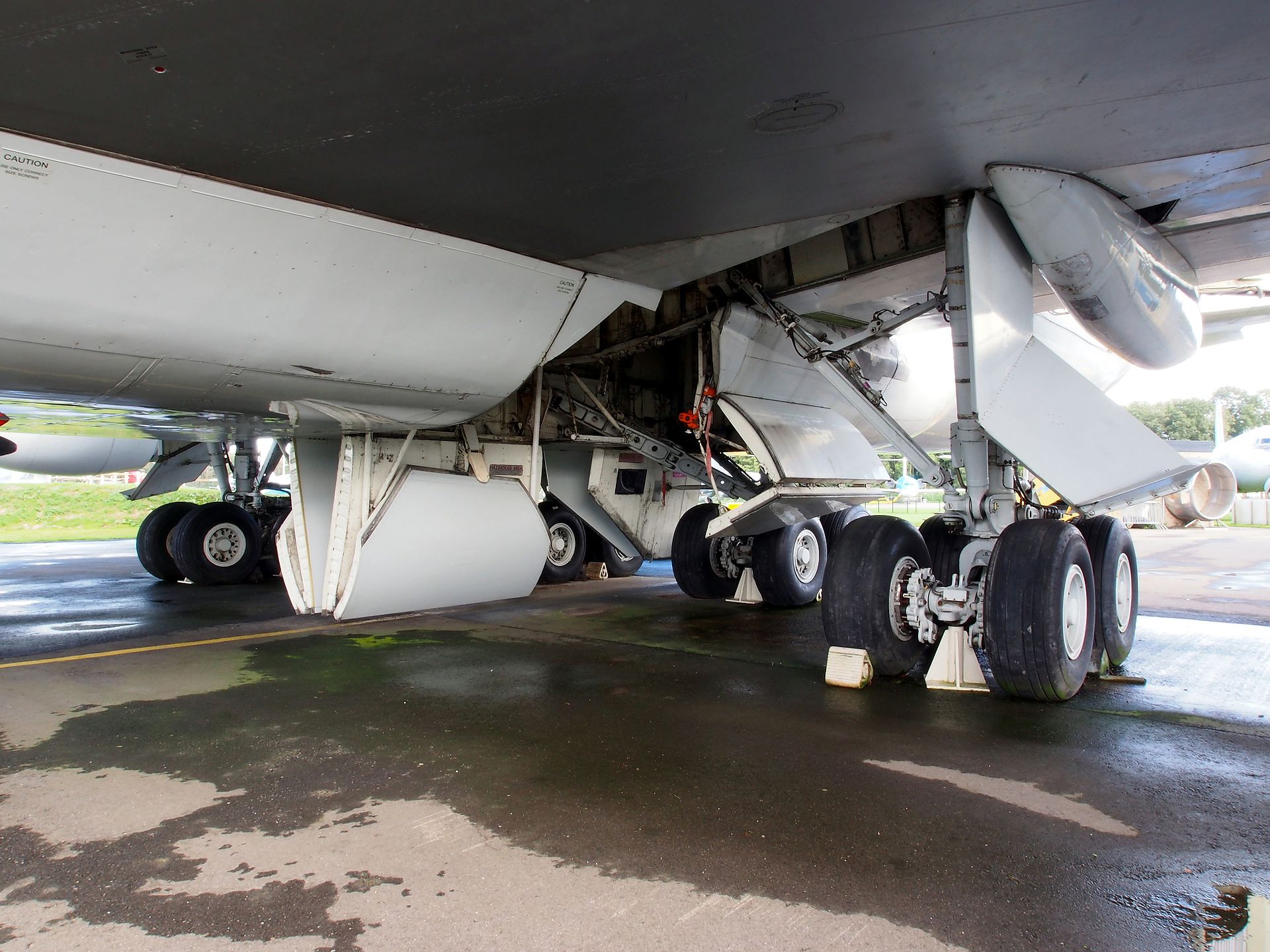
The four hydraulic systems
The 747 has four independent hydraulic systems, one per engine, each with a backup pump — and the reasoning behind splitting them that way.
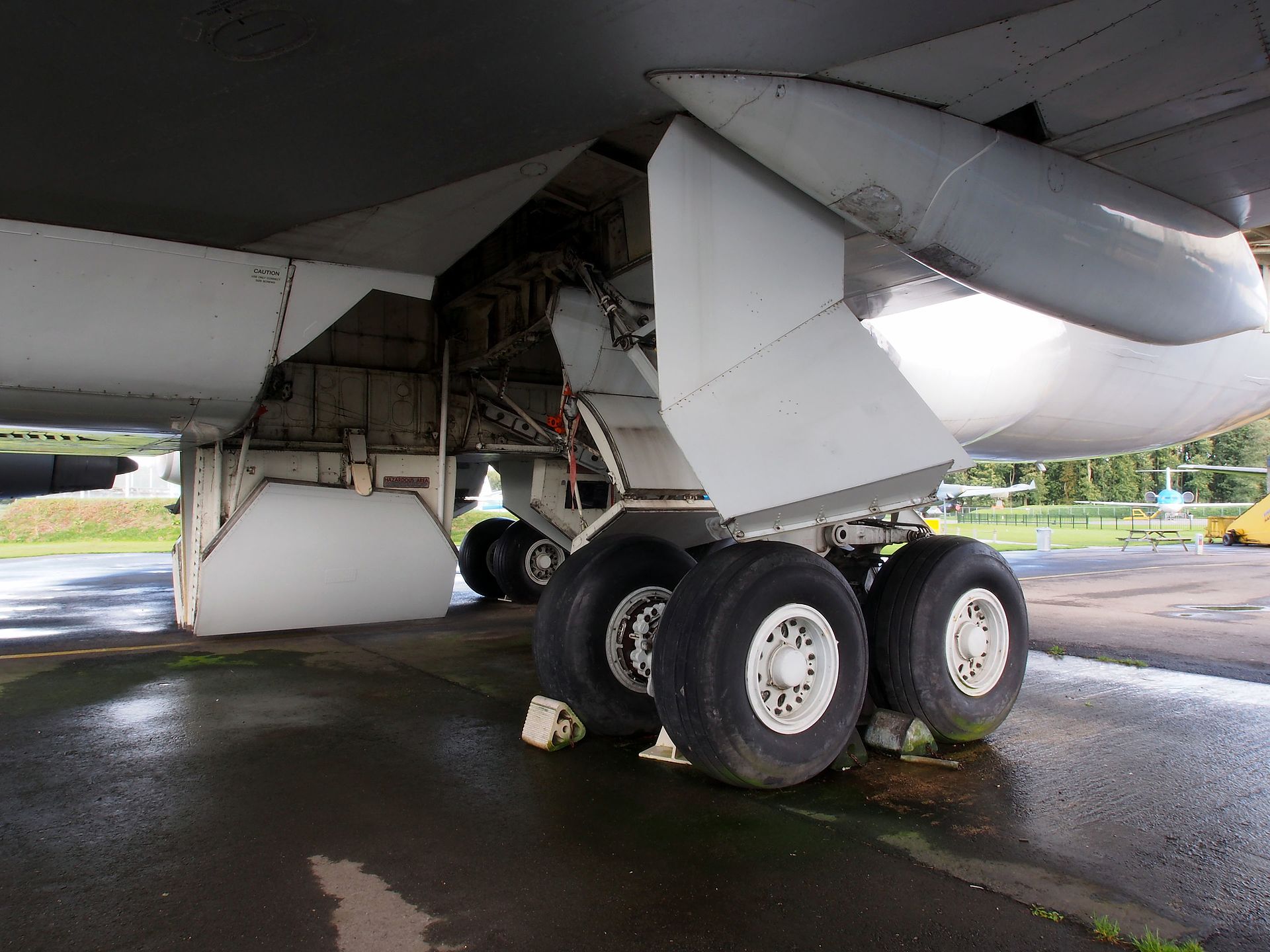
Eighteen wheels
The 747's five landing gear legs and 18 tyres, why the load is spread that way, and the body gear steering that stops it tearing up taxiways.

Flight controls and high-lift devices
How a 747 is flown — split ailerons, spoilers, triple-slotted flaps and Krueger leading edge devices, and what the 747-8 changed.
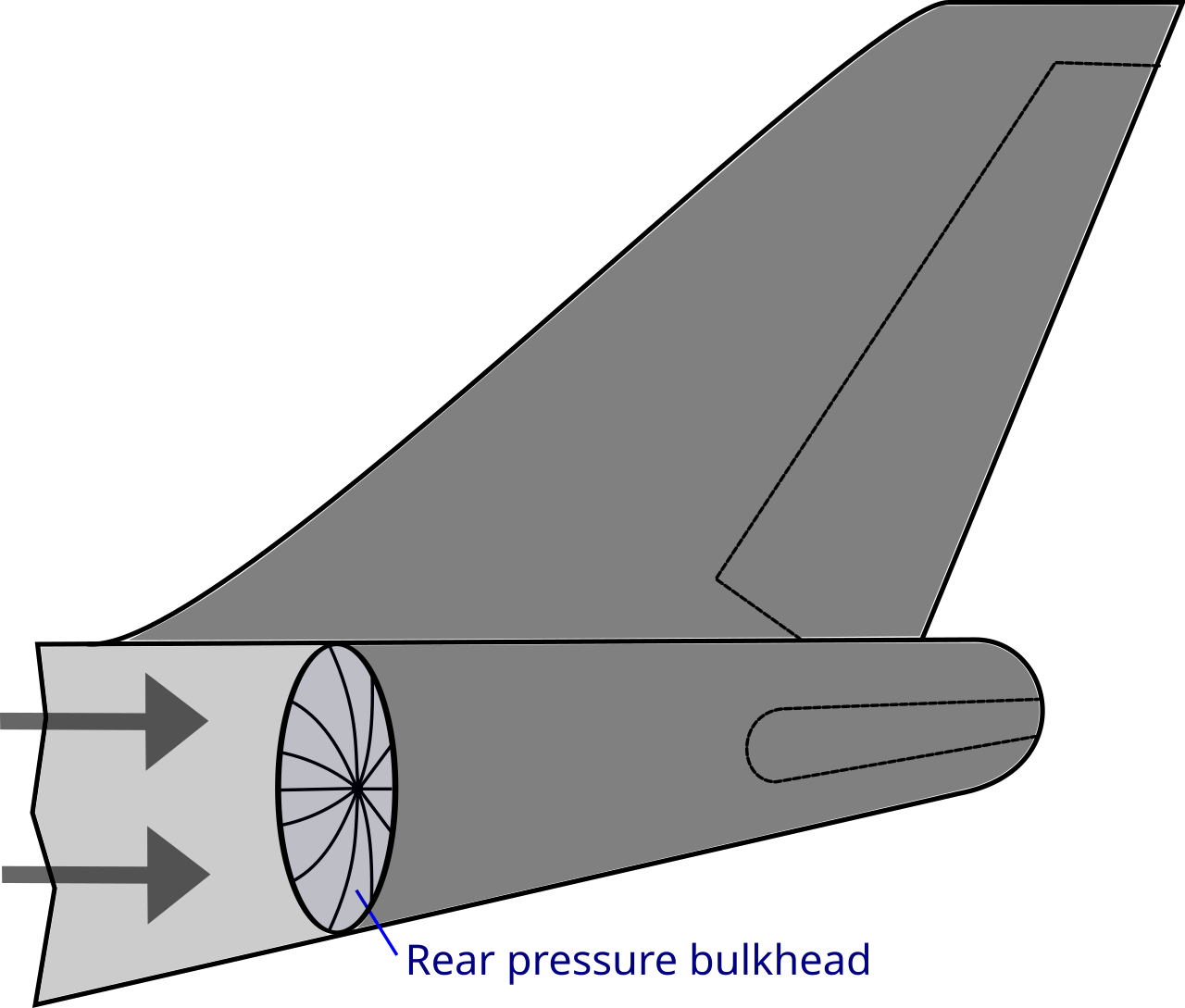
Pressurisation and air conditioning
How a 747 keeps a breathable cabin at 35,000 ft, why the fuselage is a pressure vessel, and why cycles matter more than hours.