The complete Boeing 747 reference
Boeing 747: the aircraft that changed aviation.
Explore five generations of the world's most recognisable wide-body - from the original 747-100 to the final 747-8.

Boeing 747 key facts
- First flight
- 1969-02-09 (9 February 1969)
- Entry into service
- 1970-01-22 (22 January 1970)
- Total built
- 1,574 aircraft
- Last delivery
- 2023-01-31 (31 January 2023)
Explore the 747
Visit the 747 Explorer to look inside a cutaway, compare aircraft sizes, find a passenger flight, read airframe histories, take the photo quiz or start your spotting logbook.
About the aircraft
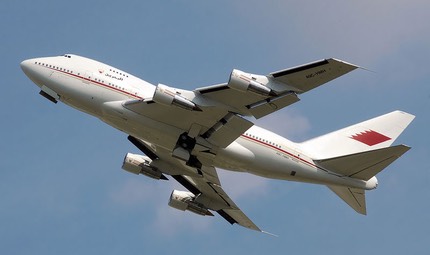
The Boeing 747 is a wide-body commercial airliner often called the "Jumbo Jet." It is among the world's most recognisable aircraft and was the first twin-aisle airliner. Manufactured by Boeing Commercial Airplanes in the United States, the original 747 was more than twice the size of the Boeing 707, one of the leading long-range jets of the 1960s. The 747 entered commercial service in 1970.
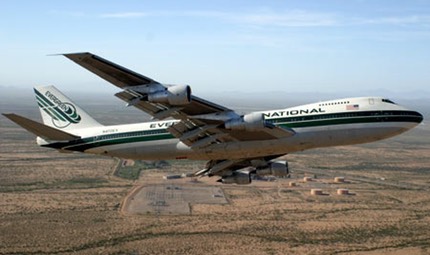
The four-engine 747 uses a double deck configuration for part of its length. It was built in passenger, freighter and other versions. Boeing designed the 747's hump-like upper deck to serve as a first class lounge or, as became the general rule, extra seating, and to allow the aircraft to be easily converted to a cargo carrier by removing seats and installing a front cargo door. Boeing did so because the company expected supersonic airliners, whose development was announced in the early 1960s, to render the 747 and other subsonic airliners obsolete, but that the demand for subsonic cargo aircraft would be robust into the future. The 747 in particular was expected to become obsolete after 400 were sold but it exceeded its critics' expectations with production passing the 1,000 mark in 1993.
The end of production
Boeing built 1,574 Boeing 747s over a 54-year production run at Everett, Washington. The last of them, a 747-8 Freighter registered N863GT, was handed over to Atlas Air on 31 January 2023, closing the line that had opened with the first 747-100 for Pan American in 1969.
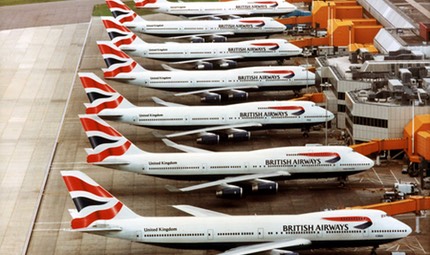
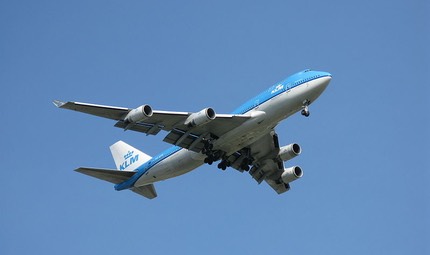
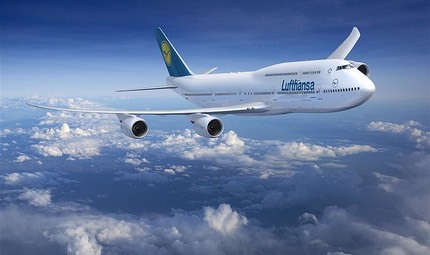
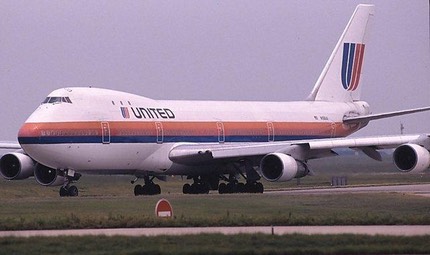
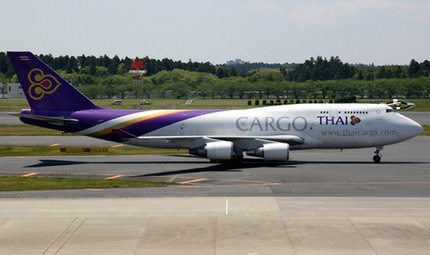
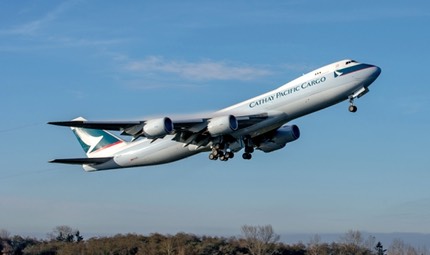
Production ending is not the same as the type disappearing. Passenger 747s have largely gone from Western airlines - United and Delta retired theirs in 2017, and British Airways, KLM, Qantas and Virgin Atlantic all brought their retirements forward during the 2020 downturn - but a handful of carriers still fly them, Lufthansa operating by far the largest passenger fleet of 747-8s and 747-400s. The freighter remains the more durable story: the 747-8F and converted 747-400Fs still carry a substantial share of the world's outsize air cargo, and Atlas Air, UPS, Cargolux and Kalitta continue to operate them.
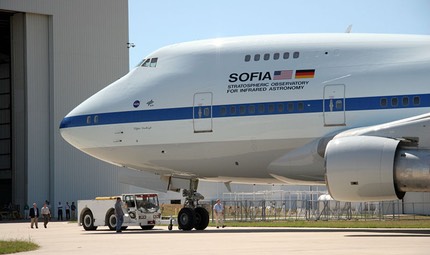
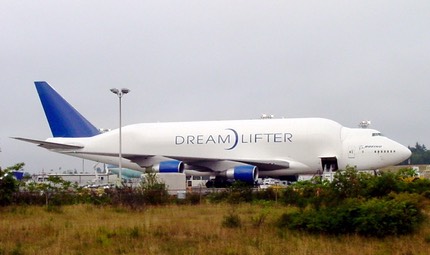
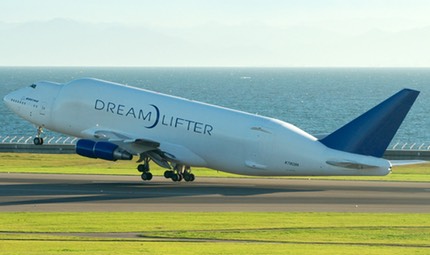
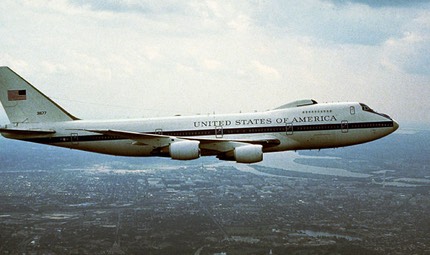
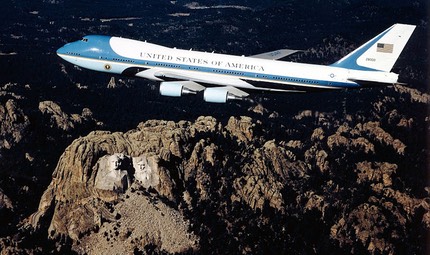
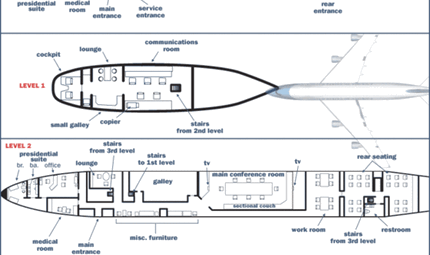
The 747 also lives on in specialised roles. The Dreamlifter still ferries 787 assemblies between Boeing plants, and two new VC-25B presidential aircraft, based on the 747-8, are being converted to replace the ageing VC-25As - currently expected in service around 2028.
Many of those aircraft survive in museums and private collections. The Boeing 747 airframe registry records preserved and notable airframes with their registrations, variants, former operators and locations, and the preserved Boeing 747 directory lists the airframes still on display.
The Boeing 747-8
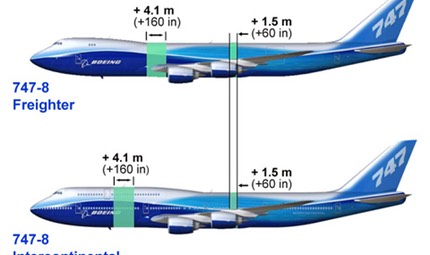
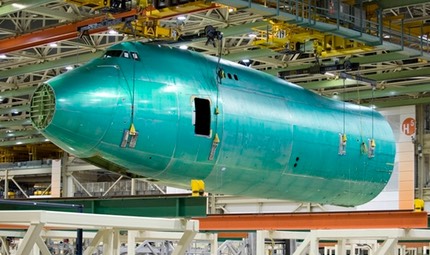
Officially announced in 2005, the 747-8 is the fifth main Boeing 747 generation, with a lengthened fuselage, redesigned wings and improved efficiency. It is the largest 747 version and the longest aircraft built in the United States.
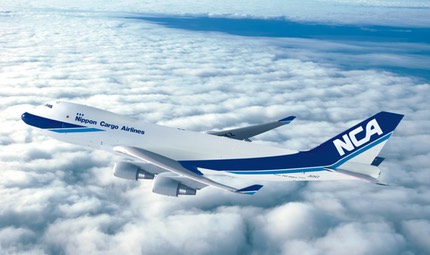
The 747-8 was offered in two main variants: the 747-8 Intercontinental (747-8I) for passengers and the 747-8 Freighter (747-8F) for cargo. The first 747-8F performed the model's maiden flight on February 8, 2010 with the 747-8 Intercontinental following on March 20, 2011.
Boeing once expected the 747 to be succeeded by the Y3, part of the Boeing Yellowstone Project, but no direct replacement was ever launched. Production ended in 2023.
Compare the aircraft
Explore the 747 specification tables for dimensions and performance, or compare factory freighter payload, fuel and cargo volumes. The later variants now have detailed technical sheets with the Boeing planning configurations identified.
Everything about the Boeing 747-8


1 / 36
Frequently asked questions
- How many Boeing 747s were built?
- Boeing built 1,574 Boeing 747s between 1968 and 2023. The final aircraft, a 747-8 Freighter, was delivered to Atlas Air on 31 January 2023, ending a 54-year production run at Everett, Washington.
- Are Boeing 747s still flying?
- Yes. Production ended in 2023, but 747s remain in service. Freighters make up most of the active fleet, flown by carriers such as Atlas Air, UPS, Cargolux and Kalitta. The confirmed passenger operators are Lufthansa, Korean Air, Air China and Rossiya Airlines. Lufthansa operates the largest remaining passenger 747 fleet.
- How many variants of the Boeing 747 were built?
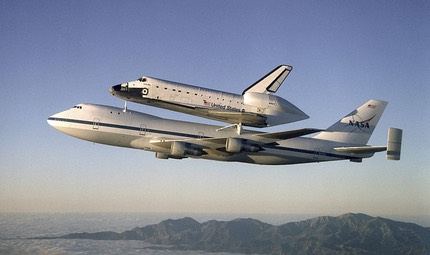
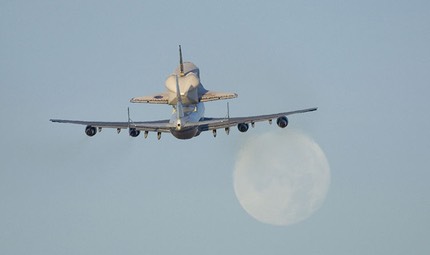
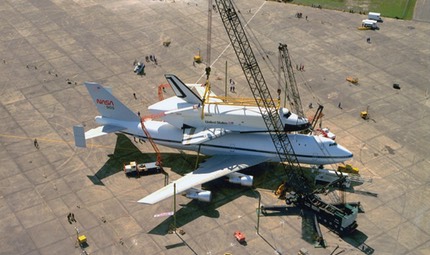
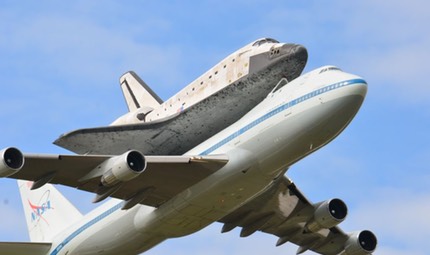
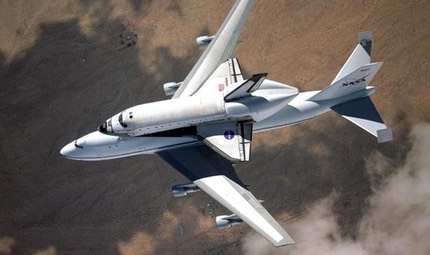
- Boeing produced five main passenger generations - the 747-100, 747-200, 747-300, 747-400 and 747-8 - each with freighter, combi, short-range and extended-range sub-variants, alongside special-mission aircraft such as the VC-25 and Shuttle Carrier.
Sources
Facts on this page are checked against the primary and institutional references below.
- Boeing 747-8 product overview - Boeing
- Boeing and Atlas Air celebrate delivery of final 747 - Boeing
- Boeing 747-121 history and first flight - The Museum of Flight
Related topics

Boeing 747 Family
Every Boeing 747 variant built between 1968 and 2023 - the 747-100, -200, -300, -400 and 747-8, with freighter, combi and short-range models explained.
Boeing 747 Production Data
Download Boeing 747 production totals by generation, with a transparent method and links to Boeing's final programme record and technical documents.
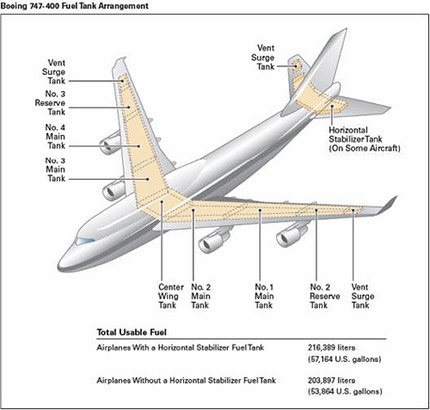
How Much Fuel Does a Boeing 747 Hold?
Boeing 747 fuel capacity varies by model: representative figures span 48,445-63,460 US gallons. Compare variants, tank options and litre equivalents.
Compare aircraft sizes
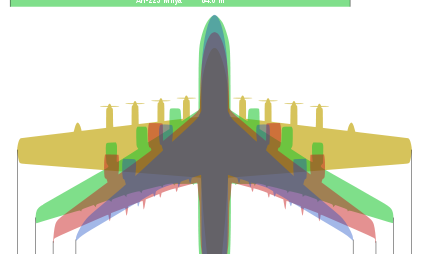
Compare Boeing 747 variants, the Airbus A380 and Boeing 777 on one scale. Overlay their dimensions, switch views and see lengths and wingspans.
Listen to Boeing 747 engines
Listen to licensed Boeing 747 recordings, compare RB211 and GEnx-2B engines, filter by flight phase and download credited audio clips.
Explore the Boeing 747
Design a 747 livery, load a freighter, explore cockpit instruments, find flights and spotting locations, hear engines and share aircraft memories.