How the airlines said goodbye
Qantas drew a kangaroo in the sky, BA sent two aircraft out together, United re-flew its 1970 route. Airlines do not usually do this.
Airlines retire aircraft constantly and almost nobody notices. The 747 was different: carriers staged ceremonies, repainted aircraft in heritage liveries, sold commemorative tickets and flew routes that made no commercial sense whatsoever.
It is worth collecting what they actually did.
Qantas, 22 July 2020
The most theatrical. VH-OEJ left Sydney for Los Angeles as QF7474 — a flight number chosen for the occasion — and the crew drew a 275 km Qantas kangaroo in the sky off the New South Wales coast, visible on flight tracking sites worldwide.
On the way out it overflew the HARS museum at Illawarra and dipped its wings to VH-OJA, the 747-400 preserved there — the aircraft that had flown London to Sydney nonstop in 1989.
Takeoff was to I Still Call Australia Home.
British Airways, 8 October 2020
BA had 94 Boeing 747s over its history, the second-largest fleet ever flown, and retired the type outright in July 2020 with four years still on the plan.
The final two Heathrow aircraft left together on 8 October: G-CIVB in the retro Negus livery and G-CIVY in standard colours. A synchronised departure from parallel runways was planned — and rained off, which is a very British ending.
United, 7 November 2017
United flew its last 747 service from San Francisco to Honolulu, deliberately re-flying the route its first 747 had operated in July 1970. Cabin crew wore period uniforms and the catering was 1970s-themed.
Tickets sold out in 90 minutes.
Delta, December 2017 – January 2018
Delta operated the last scheduled 747 revenue flight by any US passenger airline — Seoul to Detroit on 19 December 2017 — followed by employee-only farewell flights, and finally a ferry to the Marana boneyard in Arizona on 3 January 2018.
KLM and Virgin Atlantic, 2020
Both were pushed out early by COVID-19. KLM’s last scheduled 747 service flew in March 2020, ahead of a retirement planned for 2021. Virgin Atlantic retired its seven aircraft with immediate effect in May 2020.
Not every farewell got a ceremony. Some fleets simply stopped and never flew again.
Why any of this happened
Airlines are not sentimental organisations. They did this because passengers and staff were.
The 747 was the aircraft that made long-haul travel ordinary — the one people took to emigrate, to see family, on their first flight abroad. Cabin crew spent careers on it. A retirement flight that sells out in 90 minutes is not nostalgia manufactured by a marketing department; it is a genuine response that airlines noticed and matched.
Nothing since has been sent off like this, and given how few remain, it is unlikely anything will be again.
Related
More in Features
Features
Longer pieces on the Boeing 747 — the factory built to make it, how it compares to the A380, what became of the retired fleet, and what it is like to fly.
The building that had to be built first
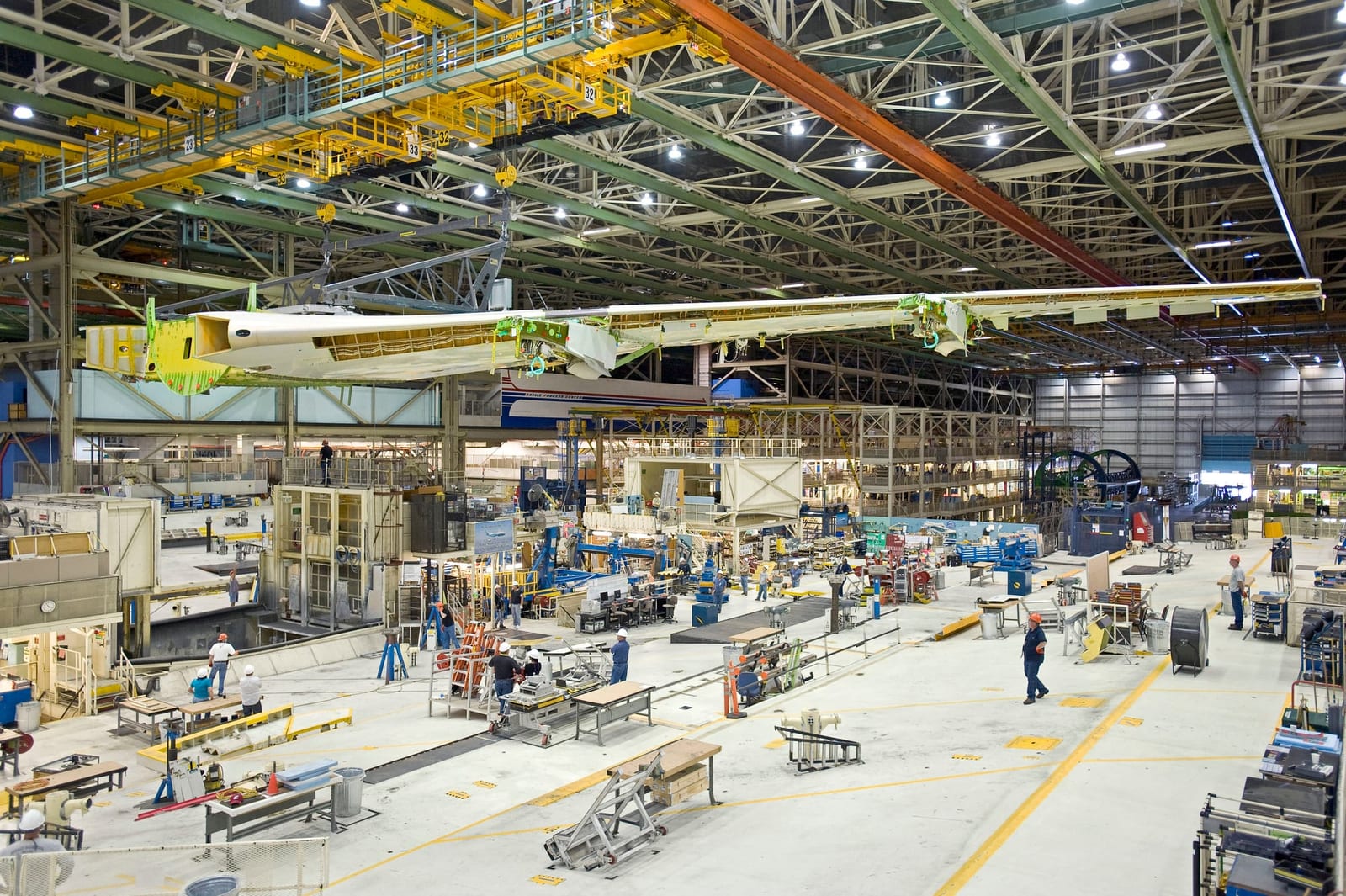
Boeing had no building big enough for the 747, so it built the largest building in the world by volume — and assembled the aeroplane while it was going up.
747 versus A380
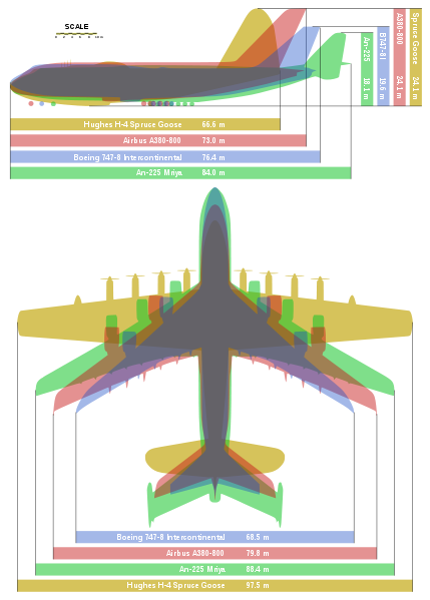
The two largest airliners ever built, compared — size, capacity, economics, and why both are now out of production.

Where the 747s went
Most retired 747s were scrapped. Others became freighters, museum pieces, restaurants, a hotel — and one launched satellites into orbit.
Flying the 747
What the 747 is like to fly — the type rating, the view from 30 feet up, the handling, and why pilots talk about it the way they do.

How 747 freight actually works
The nose door, motorised floor rollers, 96 by 125 inch pallets and 30 main-deck positions — how a 747 freighter is loaded and why it beat everything else.
