Boeing 747-8 Extreme Testing!
Extreme structural and systems testing of the Boeing 747-8.
Boeing’s own film of the testing a 747-8 goes through before it is allowed to carry anybody — structural loading, systems trials and the environmental extremes the aircraft must survive.
The tests that look impossible
Wing load testing. A complete airframe is fixed in a rig and the wings are pulled upward until they reach 150 percent of the highest load the aircraft is expected to meet in service — the “limit load” being the worst case in a lifetime of flying, and the requirement being to hold one and a half times that without failing.
On the 747-400 test article the wingtips deflected upward by more than 24 feet. Nothing in service ever comes close, which is why the wing flex you see on a landing is nothing to worry about.
Water ingestion. Water is fired into running engines and along the runway to prove the aircraft can take off through standing water — the certification behind a departure in heavy rain.
Temperature extremes. Aircraft are cold-soaked and heat-soaked at the limits of where they will operate, then required to start and fly.
Fatigue testing. A separate airframe is cycled through pressurisation and load cycles representing several lifetimes of flying, to find where cracks start before an aircraft in service does.
Why the 747-8 needed all of it again
The 747-8 was a derivative, but not a light one. It had an entirely new wing — thicker and deeper, with the aerodynamics recalculated and different bending moments — plus a stretched fuselage and new engines.
A new wing is most of the expense of a new aircraft precisely because of this: the structure, its aerodynamics and every system running through it have to be certified from scratch. That cost is why the far more ambitious 747-500X and -600X were never launched.
Related
More in Videos
Videos
Boeing 747 videos — flight testing, engine overviews, factory documentaries and memorable moments caught on camera.
Awesome demonstration of reverse thrust on landing
An EVA Air Boeing 747 lands at Singapore after heavy showers, showing pronounced wing flex and full reverse thrust.
Boeing 747-400 Engine view in heavy rain
A wing-mounted view of a Boeing 747-400 engine running through heavy rain during taxi, takeoff and climb.
Boeing 747-8 Being Put through some tough tests
Boeing's 747-8 rejected takeoff test — accelerating to takeoff speed at maximum weight, then stopping on worn brakes with no reverse thrust.
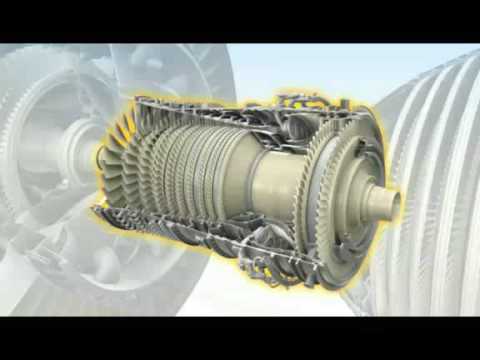
Boeing 747-8 Engine Overview from GE Aviation
GE Aviation explains the GEnx-2B engine that powers the Boeing 747-8, covering its fan, core and noise-reducing chevrons.
Boeing 747-8 Intercontinental moving to final assembly area
The first Boeing 747-8 Intercontinental comes together at Everett, from wing and fuselage join to roll-out of the last passenger 747 line.