Tradewinds Boeing 747 Rejected Takeoff Crash
A Tradewinds 747-200 rejected takeoff above V1 at Medellín in June 2006 and overran the runway. All six crew were unhurt.
On 7 June 2006, a Tradewinds Airlines Boeing 747-200 freighter, N922FT, began its takeoff from runway 36 at Medellín–José María Córdova Airport in Colombia, in rain.
During the takeoff roll an Engine Gas Temperature warning illuminated for engines 1 and 4. The captain rejected the takeoff — but the aircraft was already 12 knots above V1. Unable to stop in the remaining distance, it overran the end of the runway, lost its nose gear and came to rest about 150 metres beyond.
All six crew were unhurt.
What V1 is, and why 12 knots matters
V1 is the takeoff decision speed. It is not a speed at which something happens to the aircraft; it is the speed calculated for that particular takeoff — that weight, that runway, that temperature, that surface condition — at which the option to stop runs out.
Below V1, the performance figures guarantee the aircraft can stop on the runway remaining. Above V1, they do not. The aircraft is committed to fly, and the correct response to almost any failure is to continue the takeoff, get airborne, and deal with it in the air.
That guarantee is not a comfortable margin. It comes from the certification rejected-takeoff test, performed at maximum weight on fully worn brakes with no reverse thrust and no brake cooling. There is no slack left in it.
So rejecting 12 knots above V1 does not mean overshooting by a small margin. Kinetic energy rises with the square of speed, and the distance was already spoken for. On a wet runway, with reduced braking friction, there was never a stopping distance available.
Why crews do it anyway
This is one of the most studied decisions in aviation, because the instinct is wrong in a specific and understandable way.
A warning light during the takeoff roll produces an immediate impulse to stop — the runway is right there, the aircraft is on the ground, and stopping feels like the safe option. Continuing feels like taking a damaged aircraft into the air.
Statistically the opposite is true. A high-speed rejected takeoff is far more dangerous than getting airborne with an engine problem, and overrun accidents following rejections above V1 are a recurring category. Training now emphasises that above V1 the decision has already been made.
The EGT warning here would not have prevented the aircraft flying.
Related
More in Videos
Videos
Boeing 747 videos — flight testing, engine overviews, factory documentaries and memorable moments caught on camera.
Awesome demonstration of reverse thrust on landing
An EVA Air Boeing 747 lands at Singapore after heavy showers, showing pronounced wing flex and full reverse thrust.
Boeing 747-400 Engine view in heavy rain
A wing-mounted view of a Boeing 747-400 engine running through heavy rain during taxi, takeoff and climb.
Boeing 747-8 Being Put through some tough tests
Boeing's 747-8 rejected takeoff test — accelerating to takeoff speed at maximum weight, then stopping on worn brakes with no reverse thrust.
Boeing 747-8 Engine Overview from GE Aviation
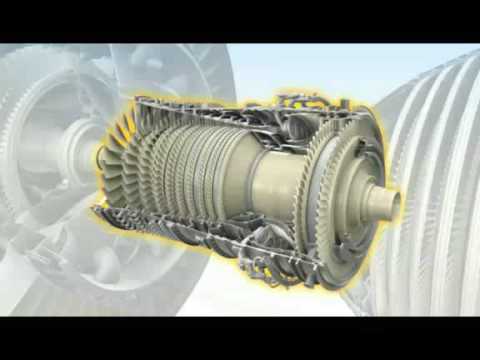
GE Aviation explains the GEnx-2B engine that powers the Boeing 747-8, covering its fan, core and noise-reducing chevrons.
Boeing 747-8 Extreme Testing!
A short film covering the extreme testing the Boeing 747-8 undergoes, from wing loading to water ingestion and brake trials.